



These 7 Back-Office Mistakes Cost Self-Employed Professionals Money Every Year

Why avoiding back-office mistakes is worth it
Many self-employed professionals love their work. They enjoy the creative output, direct client relationships, and growing their business. What they enjoy far less is the administrative side. This is exactly where hidden costs often arise—beyond billable hours or project work.
Back-office mistakes don’t just cost time. They cost real money, lead to missed tax benefits, penalties, back payments, and weaken financial planning. This article highlights the seven most common back-office mistakes—and how to avoid them.
Mixing personal and business accounts
One of the most common mistakes is managing personal and business finances together. Without a clear separation, it becomes difficult to track income and expenses correctly. This leads to lost time during tax filings, missed deductions, and, in the worst case, incorrect declarations.
Tax authorities and trust offices typically require a clean separation of accounts to clearly distinguish business expenses from private spending.

Missing or unstructured receipt documentation
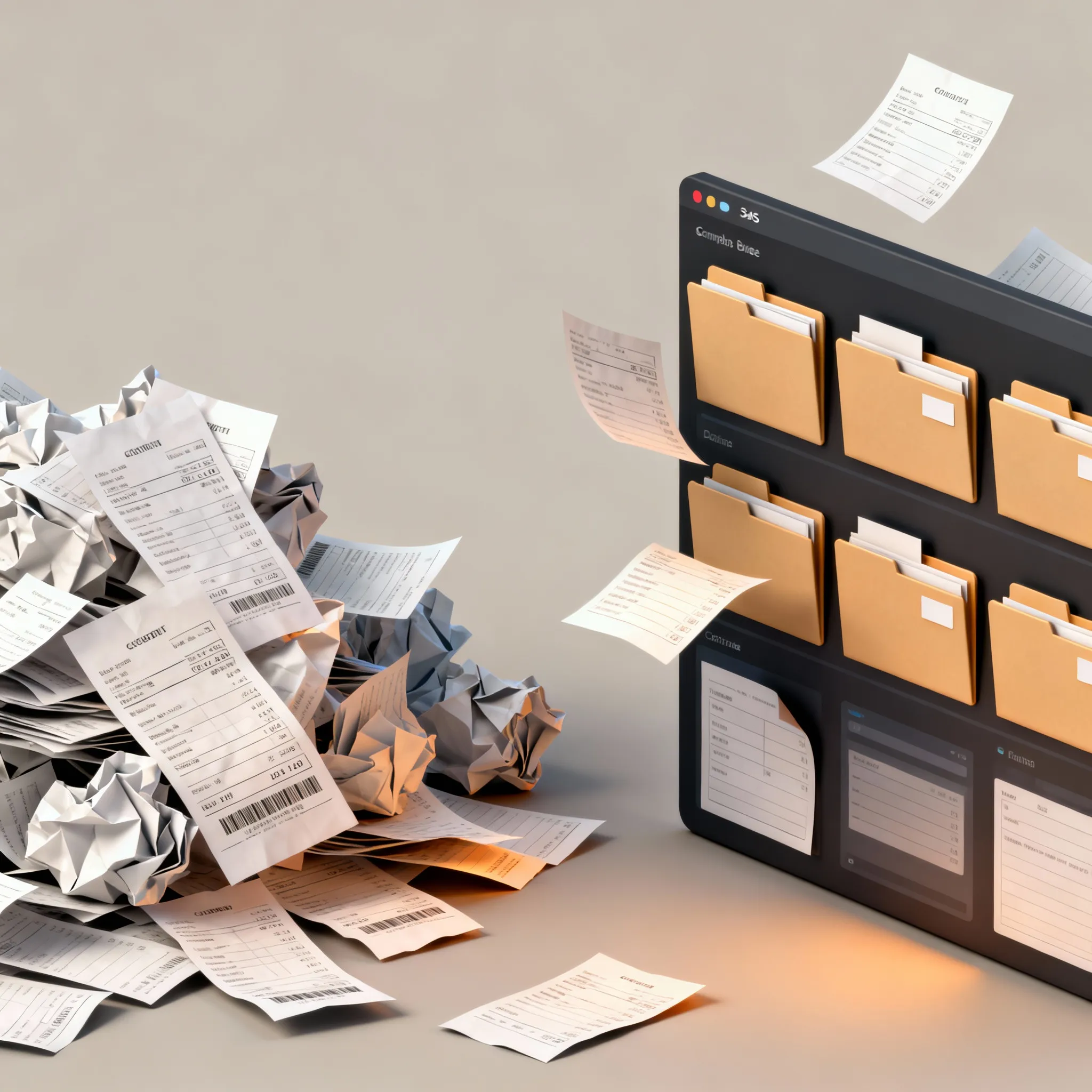
You receive an invoice or receipt. Then another one follows—and somewhere along the way, they disappear. If receipts are not collected and stored properly, your accounting loses reliability.
Without complete documentation, your trust office cannot correctly allocate costs. You miss potential deductions and later have to invest time and money to close the gaps.
Not keeping records up to date on a regular basis
A back office that is only maintained once or twice a year can become expensive. When income and expenses are recorded late, you lack a current view of your financial situation. This can lead to incorrect liquidity assessments, miscalculated tax prepayments, or delayed reactions to unpaid invoices.
Regular bookkeeping also simplifies collaboration with your trust office and reduces workload—and costs—at year-end.

Failing to track receivables and delayed reminder processes
Creating invoices is one thing. Tracking them and following up on overdue payments is another. Many self-employed professionals issue invoices but don’t monitor them consistently.
If you react too late, you pay indirectly: your money arrives late—or not at all. This can quickly become a serious cash-flow risk.

Incorrect categorization of income and expenses
Incorrectly categorized transactions affect both reporting and your tax situation. An expense recorded as private cannot be deducted—and suddenly you pay more tax than necessary.
Likewise, misclassified income can lead to incorrect revenue or profit figures, which may cause issues with VAT reporting.

Ignoring deadlines for filings and tax payments
Many entrepreneurs find themselves under time pressure because they overlook deadlines. VAT returns, social security reports, or annual financial statements—missing deadlines can result in late fees or penalties.
Systematically tracking deadlines as part of your back-office routine helps you avoid costly sanctions and maintain control.

Lack of structured use of tools and automation
Many self-employed professionals try to manage back-office tasks manually or with unsuitable tools. Manual processes are error-prone and time-consuming. Modern software solutions can automate receipt capture, invoicing, reminders, and bank reconciliation—reducing errors and costs.
A structured use of tools creates clarity, saves time, and lowers both direct and indirect costs.

Conclusion: Small mistakes, big impact
Back-office mistakes may seem minor at first, but their effects add up quickly. They lead to lost time, missed tax advantages, delayed cash flow, and higher costs when working with trust offices or authorities.
By avoiding these seven mistakes and approaching your back-office processes with structure and consistency, you not only save money—you gain clarity, control, and time. A well-organized back office pays off in multiple ways, visible in your numbers and tangible in your daily work.